

Your Music School makes the difference.
Early musical foundation, fewer cancellations, lasting stability. Together, we shape the transition. For happy children, confident families and supported teachers.
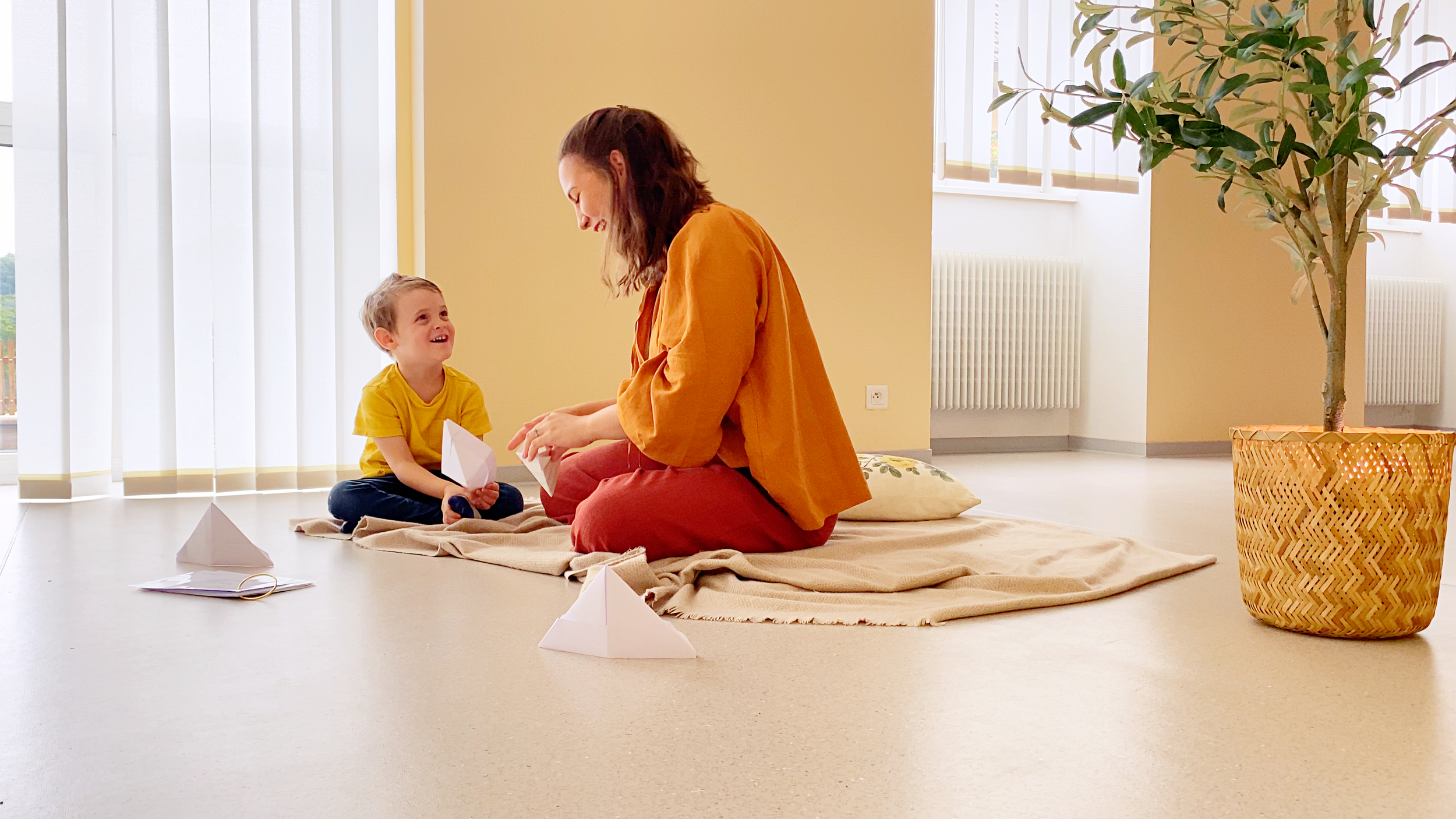
What this means for your music school
Many music schools sense that something is missing between early childhood music and instrumental lessons. Play Based Music is a concrete approach to address exactly that.
This model has been continuously developed since 2021 and tested at music schools and educational institutions in Germany, France and Switzerland. It is practice-tested, clearly structured and flexible enough to adapt to your school.
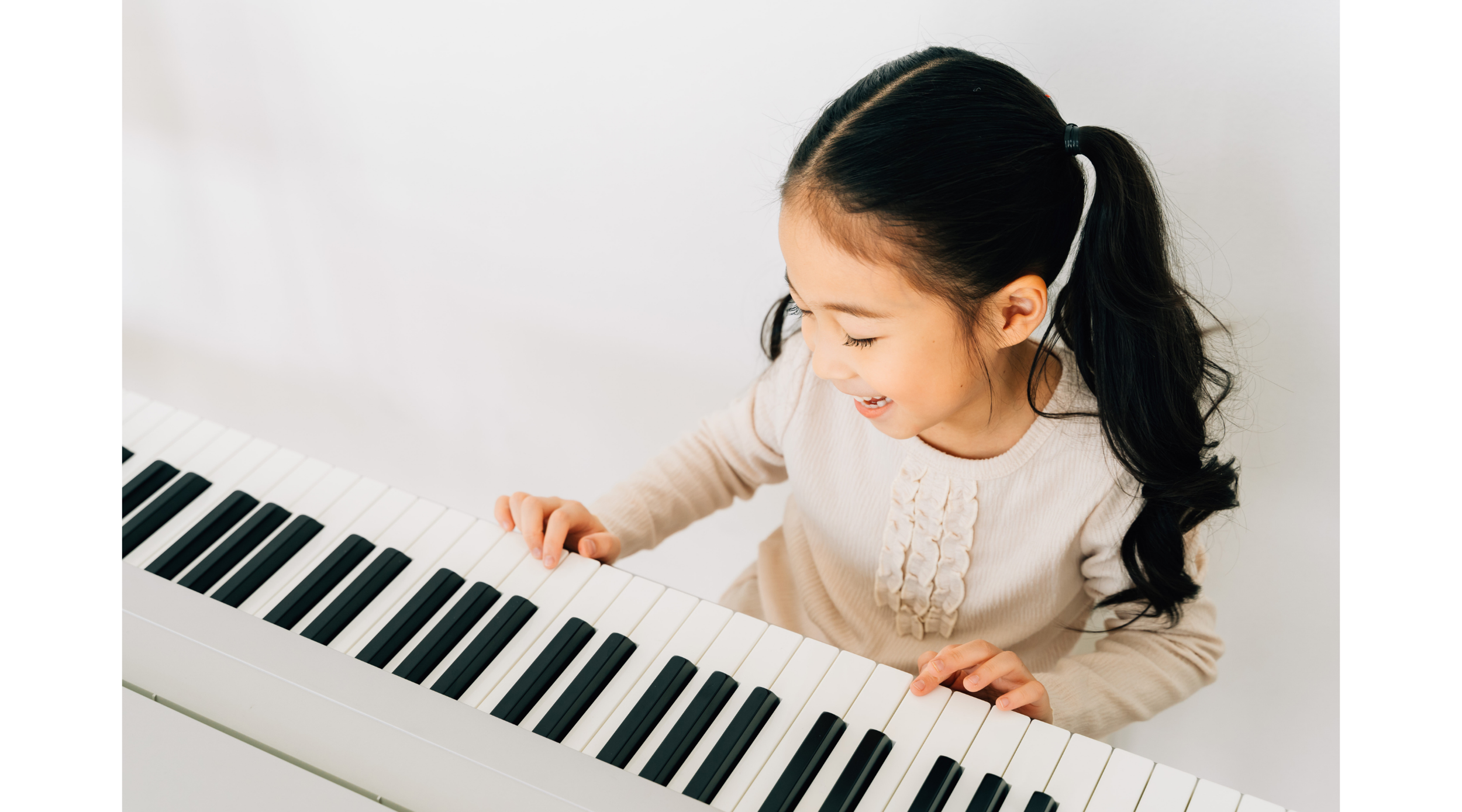
Long-term student retention
Children experience a clear and coherent musical learning pathway from the very beginning.
The transition from early childhood music to instrumental lessons is intentional and well prepared.
This builds trust among families and strengthens long-term commitment to the music school.
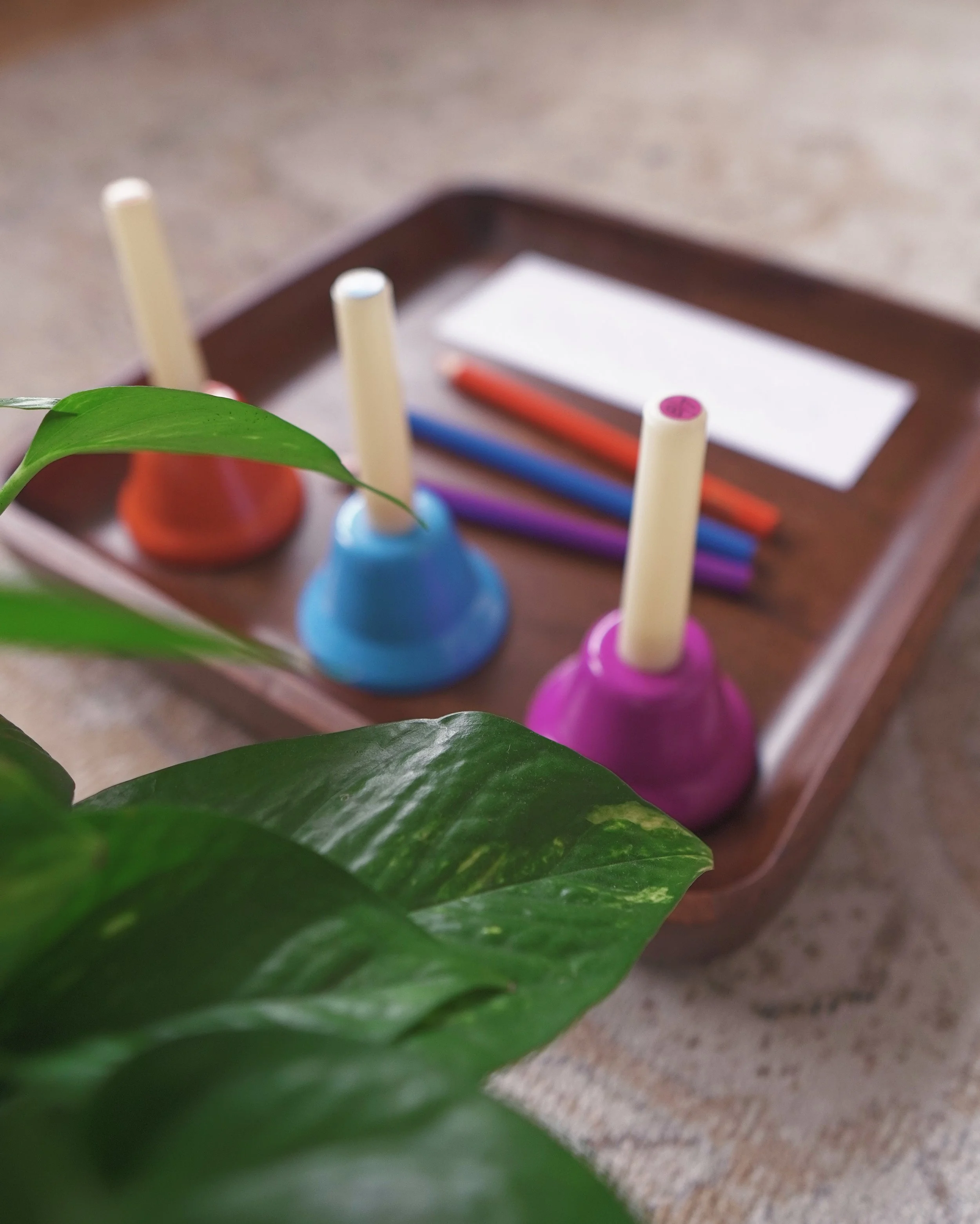
Less children who quit too soon
Children no longer begin instrumental lessons unprepared. They arrive with a musical foundation.
A sense of rhythm, pitch awareness and initial note orientation are already in place.
The start is easier and frustration is reduced.
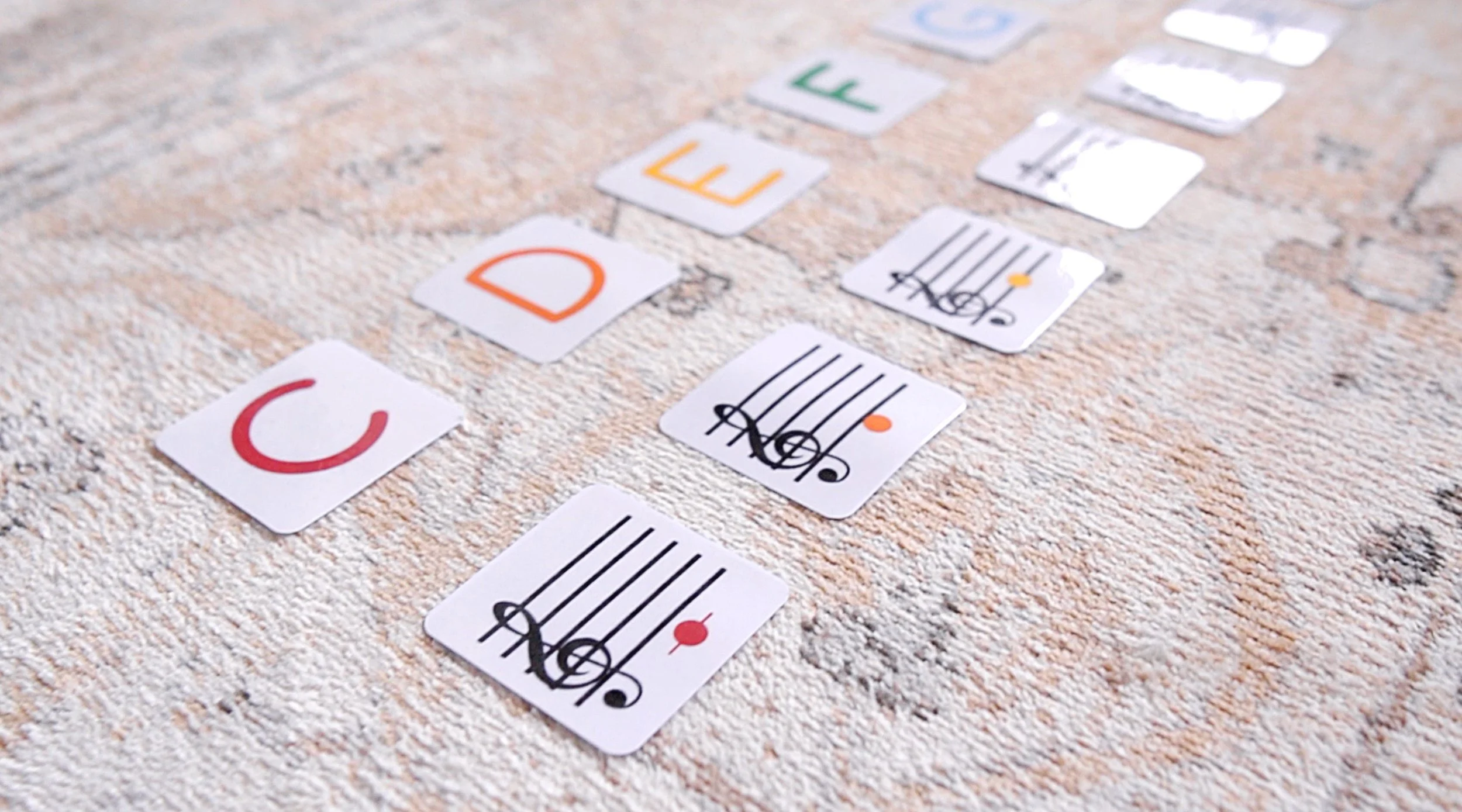
A common thread across the school
Early childhood music and instrumental teaching build on each other by design.
Teachers know which competencies are being developed and where the next stage picks up. This creates orientation. For teachers, children and parents alike.
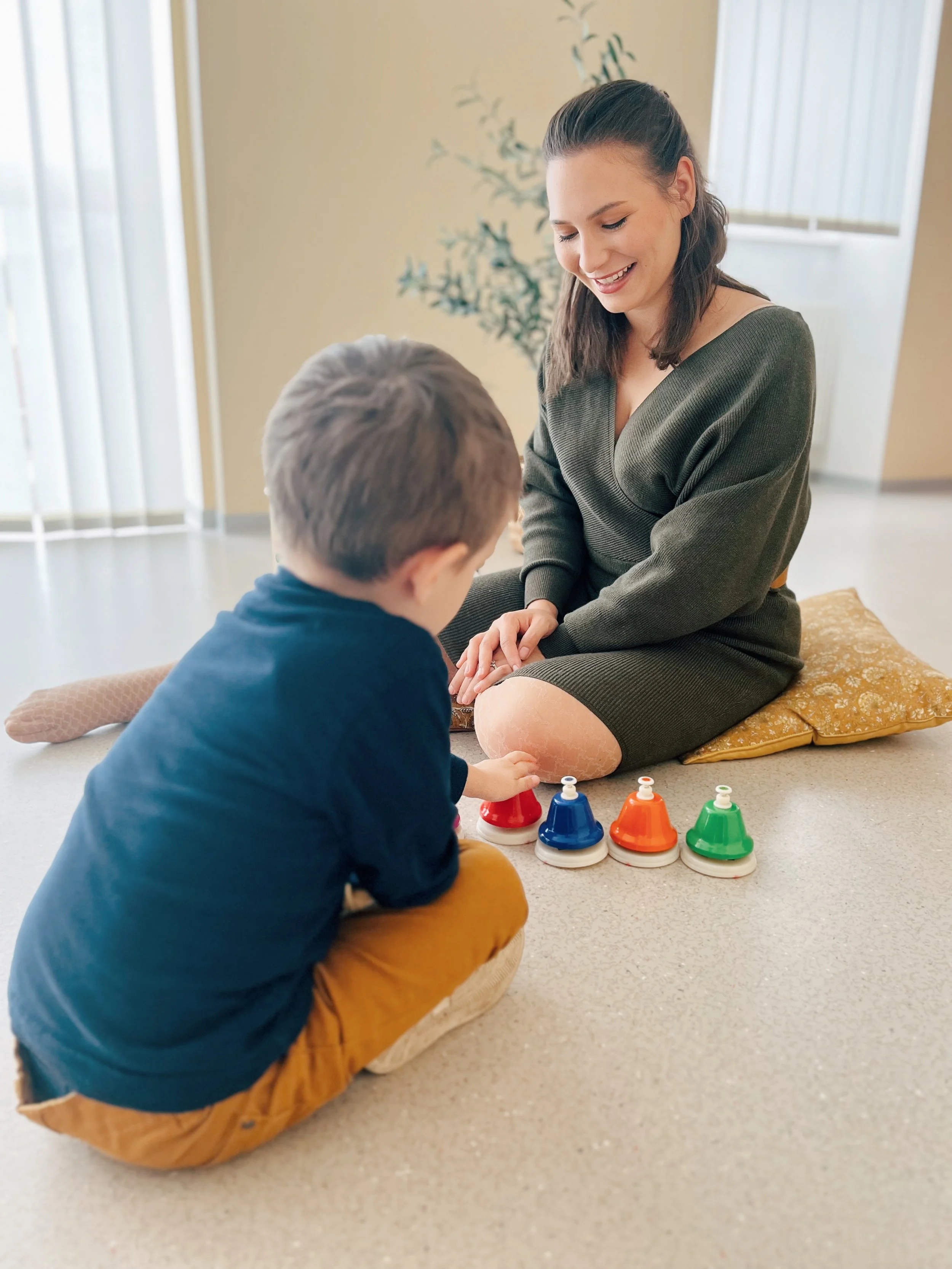
Stronger support for teachers
Many instrumental teachers feel uncertain when working with children because appropriate teaching structures are lacking.
Play Based Music provides concrete materials, lesson ideas and a clear framework that supports and relieves music teachers across a variety of instruments.
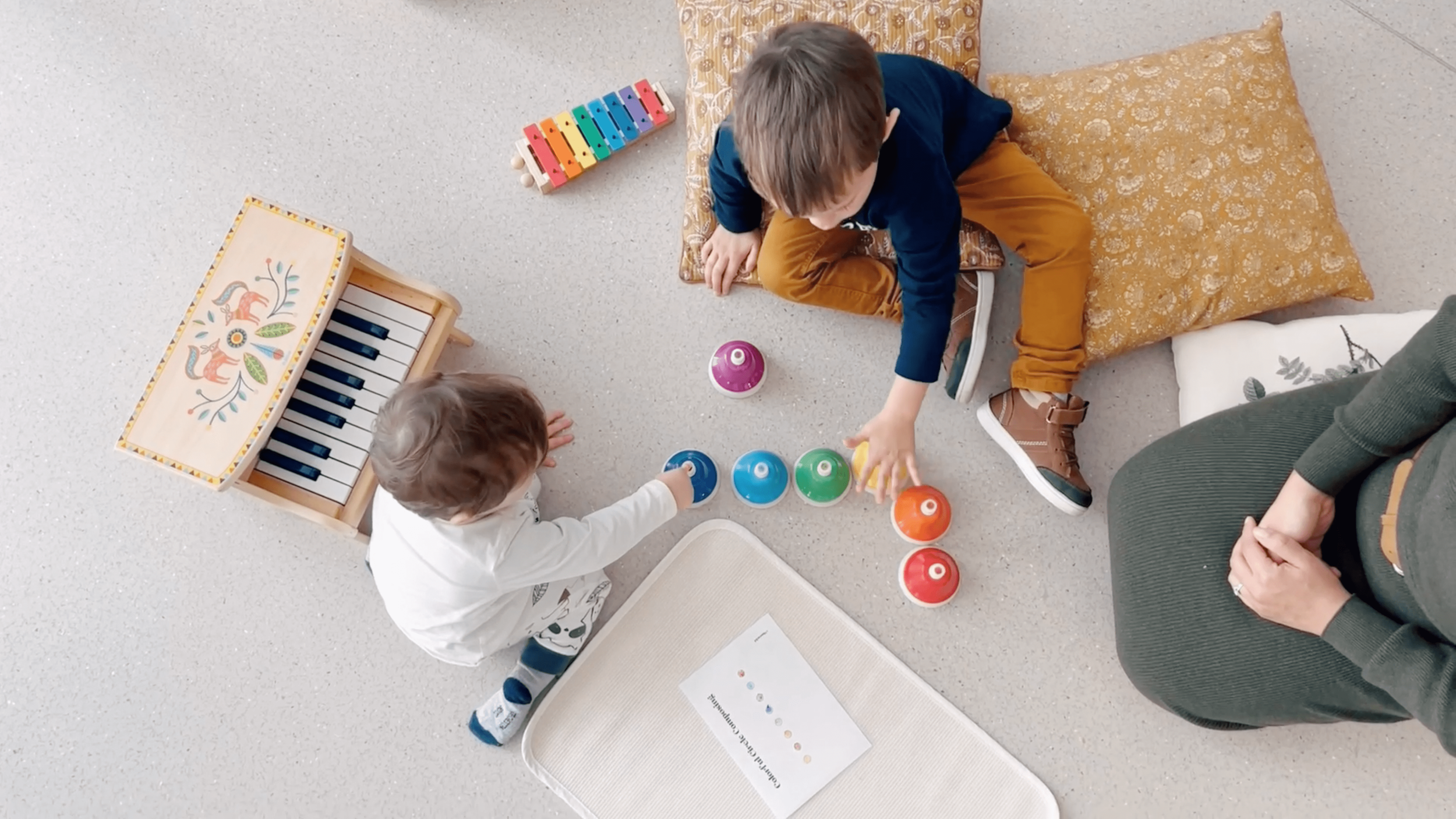
Easier communication with families
When parents understand how musical learning develops, trust in the teaching and in the music school grows.
Their child's learning pathway becomes visible and easy to follow. At home too.
Recommendations
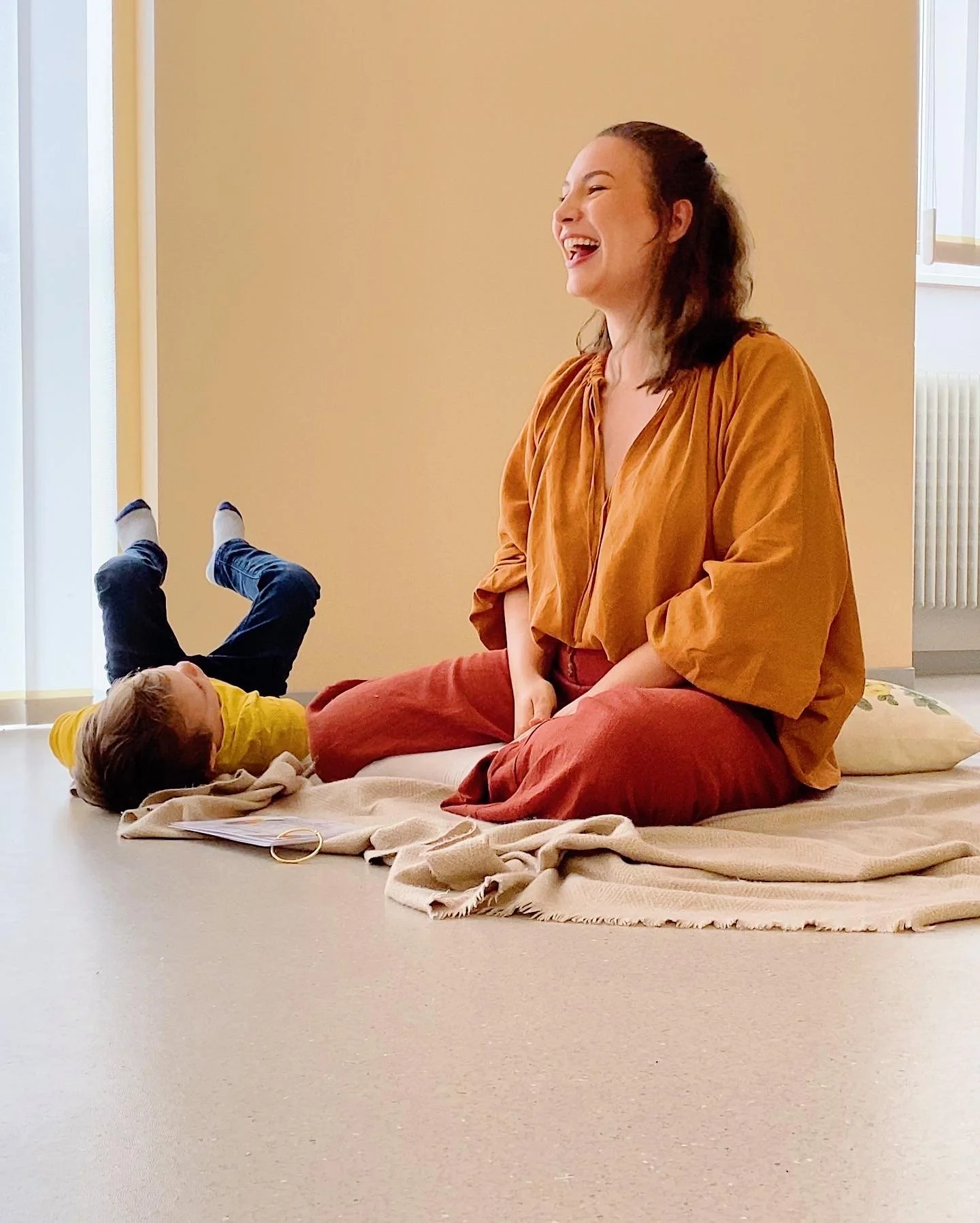
Positive musical experiences and transparent learning progress lead to personal recommendations more frequently.
For music schools, this means less effort in recruiting new students over time.
A collaboration is not based on a fixed template. It develops through dialogue. Together, we create a model that fits into your school's everyday life and is built to last. It is tailored to your school. Whether it is the size of your school, the instruments offered, existing early childhood programs, or the desired duration, a pilot phase, one school year, or a longer-term collaboration.